How to Prevent Wildlife Invasions in Your Alabama Home This Winter
Winter in Alabama brings cooler temperatures—and an increase in wildlife seeking warmth and shelter inside homes. Many homeowners find themselves dealing with unwanted visitors such as mice, squirrels, raccoons, coyotes, and even birds. While some DIY measures can help, contacting a professional may be the best solution to ensure your home remains wildlife-free.
In this guide, we’ll discuss the most common winter wildlife problems and effective strategies to prevent and handle these invasions.
How to Keep Mice and Rats Out of Your Home in Winter
Signs of a Rodent Infestation
- Droppings in pantries, under sinks, or along baseboards
- Scratching noises in walls or ceilings
- Chewed food packaging or wires
- Foul, musky odor in certain areas
Prevention Tips
- Seal Entry Points: Mice can squeeze through holes as small as a dime. Use steel wool, caulk, or metal flashing to block openings around pipes, vents, and foundation cracks.
- Store Food Properly: Keep dry goods in airtight containers and don’t leave pet food out overnight.
- Declutter Your Home: Mice love hiding in clutter. Reduce storage piles in basements, attics, and garages.
- Use Traps & Natural Deterrents: Snap traps, bait stations, and peppermint oil can help deter rodents.
When to Call a Professional
If you notice persistent signs of rodents despite your efforts, it’s time to call a pest control expert. Rodents reproduce quickly, making professional intervention essential to prevent a full-blown infestation.
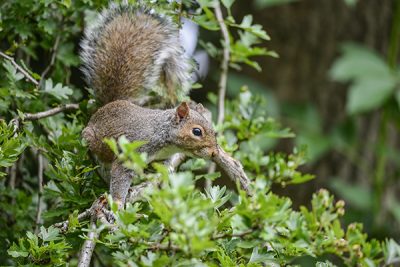
Dealing With Squirrels in the Attic
Why Squirrels Seek Shelter Indoors
Squirrels often seek refuge in attics during colder months, looking for a warm, safe place to nest.
How to Know if Squirrels Are in Your Home
- Scratching or scurrying noises from the attic
- Chewed electrical wires or wood
- Nesting materials like leaves and twigs
Ways to Prevent Squirrel Infestations
- Trim Overhanging Tree Branches: Keep trees at least 6-8 feet away from your roof.
- Seal Entry Points: Inspect your attic for holes or gaps and cover them with metal mesh.
- Install One-Way Exit Doors: These allow squirrels to leave but prevent re-entry.
- Remove Food Sources: Keep trash bins sealed and avoid leaving bird feeders near your home.
When to Call a Wildlife Removal Expert
If squirrels have already nested, a professional can safely remove them without harming the animals. DIY removal attempts can be dangerous and ineffective without the right approach.
Preventing Raccoons from Nesting in Your Home
Why Raccoons Are a Winter Problem
Raccoons are highly adaptable creatures that can pry open roof vents, crawl into attics, and burrow under decks to find shelter during the winter.
Signs of Raccoons in Your Home
- Loud thumping or rustling sounds at night
- Tipped-over trash cans or torn-up insulation
- Foul odors from raccoon droppings
How to Keep Raccoons Away
- Secure Trash Cans: Use heavy-duty lids and store trash in an enclosed space.
- Block Off Entry Points: Use wire mesh or wood panels to close off crawl spaces.
- Use Motion-Activated Lights and Sounds: Raccoons are nocturnal and prefer dark, quiet spaces.
- Avoid Feeding Wildlife: Pet food, birdseed, and compost piles attract raccoons.
When to Call a Professional
Trapping raccoons on your own can be risky. A wildlife removal expert will ensure safe and humane removal while preventing future infestations.
How to Keep Coyotes Away From Your Yard
Why Coyotes Become a Problem in Winter
As natural food sources dwindle, coyotes venture into suburban areas in search of easy meals.
How to Deter Coyotes From Your Property
- Secure Pets and Livestock: Keep small pets indoors at night and reinforce chicken coops.
- Remove Attractants: Eliminate food sources such as open trash bins, fallen fruit, or pet food left outside.
- Install Fencing: A 6-foot fence with an outward-facing overhang can deter coyotes.
- Use Deterrents: Motion-sensor lights, noise devices, or sprinklers can help keep coyotes away.
When to Contact Wildlife Control
If coyotes are frequently spotted near your home or have become aggressive, a wildlife control specialist can provide guidance and safe removal solutions.
How to Stop Birds from Nesting in Chimneys and Roof Vents
Common Bird Nesting Issues in Homes
Birds seeking warmth often enter chimneys, roof vents, and soffits to build nests, which can lead to blockages, fire hazards, and structural damage.
Prevention Tips
- Install Chimney Caps and Vent Covers: This prevents birds from entering while allowing airflow.
- Use Bird Spikes on Ledges: These discourage birds from perching and nesting.
- Keep Trees Trimmed: Overhanging branches can provide easy access to your roof.
- Utilize Reflective Tape or Predator Decoys: Birds tend to avoid areas with shiny objects or fake predators.
When to Call a Professional for Your North Alabama Home
If birds have already nested, removal must be handled carefully. Certain bird species are protected under federal law, making professional assistance the best course of action.
Final Thoughts: When to Seek Professional Help
While there are many effective DIY methods for deterring wildlife, some infestations require expert intervention. Wildlife removal professionals can safely and legally handle invasive animals while ensuring they don’t return.
If you suspect a wildlife issue in your home, don’t wait for the problem to escalate. Contact 4T Wildlife Removal to assess the situation and implement a long-term solution.
By taking proactive steps, you can protect your home, your family, and the wildlife itself—keeping the harmony between nature and your living space intact.
📞 Call us now at 256-975-2014 to schedule a consultation today!